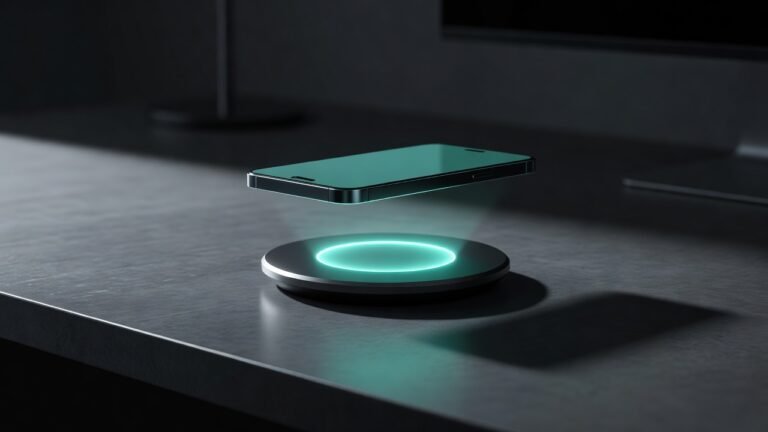
AI phones get a real on-device assistant upgrade

Handset makers are pushing stronger on-device AI that can summarize notifications, draft replies, and search photos without sending every tap to the cloud. The pitch is simple: faster answers, better privacy, and less battery drain from constant network calls. Early reviews say the experience feels useful when the model stays local for everyday tasks, then jumps online only for heavier research. Battery life still varies by chipset, and some features remain locked behind paid tiers. For most people the win is quieter multitasking—less app-hopping for basic questions. Watch update cadence: the best phones will improve with monthly model packs, not just yearly hardware refreshes.
What matters
Handset makers are pushing stronger on-device AI that can summarize notifications, draft replies, and search photos without sending every tap to the cloud. The pitch is simple: faster answers, better privacy, and less battery drain from constant network calls. Early reviews say the experience feels useful when the model stays local for everyday tasks, then jumps online only for heavier research. Battery life still varies by chipset, and some features remain locked behind paid tiers. For most people the win is quieter multitasking—less app-hopping for basic questions. Watch update cadence: the best phones will improve with monthly model packs, not just yearly hardware refreshes.
Context still beats hype. Compare real constraints—battery, price, repair paths, and update policy—before you refresh hardware. Demo posts like this exist so The Tech Scope layout can be judged with a full feed of cards, stories, and singles.
Practical takeaway
- Scan the short card first.
- Open the full blog only when you need depth.
- Share the single URL for SEO-friendly reading.
Demo content for layout testing — not a live news wire.