How factory robots pick the next task
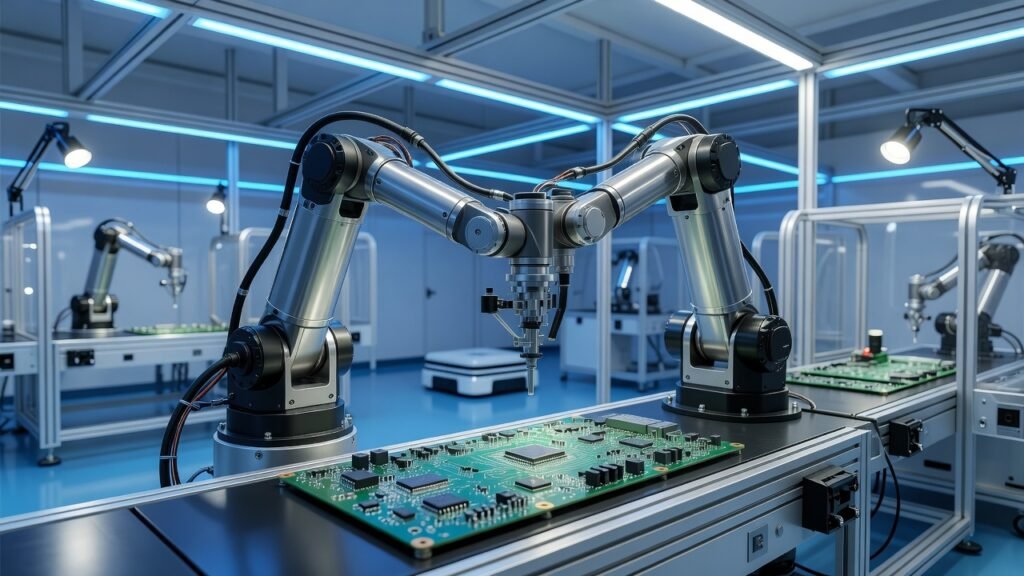
Modern assembly lines combine vision models, force sensors, and schedulers that assign the next pick based on queue priority and tool readiness. Robots do not “think” like people; they optimize constrained goals with safety envelopes. When a part is misaligned, recovery routines either re-try, re-route, or call a human. The business case is consistent quality on repetitive steps, not full lights-out factories overnight. Understanding that loop helps non-engineers read automation news without science-fiction filters.
What matters
Modern assembly lines combine vision models, force sensors, and schedulers that assign the next pick based on queue priority and tool readiness. Robots do not “think” like people; they optimize constrained goals with safety envelopes. When a part is misaligned, recovery routines either re-try, re-route, or call a human. The business case is consistent quality on repetitive steps, not full lights-out factories overnight. Understanding that loop helps non-engineers read automation news without science-fiction filters.
Context still beats hype. Compare real constraints—battery, price, repair paths, and update policy—before you refresh hardware. Demo posts like this exist so The Tech Scope layout can be judged with a full feed of cards, stories, and singles.
Practical takeaway
- Scan the short card first.
- Open the full blog only when you need depth.
- Share the single URL for SEO-friendly reading.
Demo content for layout testing — not a live news wire.